Western Australia
Broome Bird Observatory (BT)
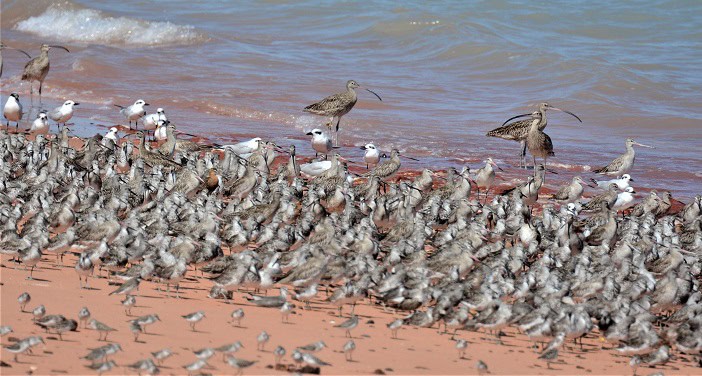
The Broome Bird Observatory calls itself the “Shorebird Capital of Australia”, and indeed it is. It is located on the northwest coast of Australia, 25 km east of Broome—our choice for the best Birding Hotspots Australia.
Though challenging and remote, you will find that going there is worthwhile. The number of shorebirds and species is astounding. Sandpipers from around the world, including as far away as Alaska, congregate in enormous mixed flocks on the beach, including the huge Far-eastern Curlew.
After the fantastic shorebird tour, relax in the camp with a good meal and search for birds in the local area. Bowerbirds are common, and you might see their unique mating structures.
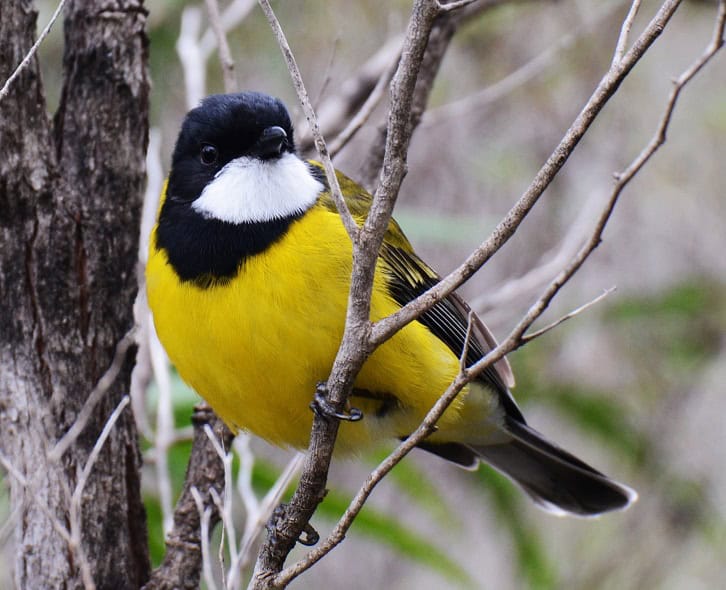
The next day, go on an inland tour, where you will have an excellent chance to see Yellow Bunting and the massive Australian Bustard.
Getting there
Getting to the observatory can be difficult as the road is not good, to put it mildly. Getting to this remote corner of Australia is also a challenge. If the road is wet, you will need a four-wheel-drive vehicle. You can get there with a two-wheel-drive vehicle if there has not been any rain for quite a few days. The road is very rough and sandy, so a vehicle with high clearance is recommended. If you don’t have a vehicle, pickup in Broome can be arranged for a fee. The observatory offers birding tours, rustic accommodations, and meals. Once you get there, you won’t need your vehicle, as tours are conducted with staff vehicles.
A trip to the Broome Bird Observatory, although remote and challenging to get to, is worth the effort. I saw 43 species there in three days. Besides the Far-eastern Curlew, the Yellow Chat and the Australian Bustard, some of the best ones were the Black-necked Stork, Bar-tailed and Black-tailed Godwits, the stunning Rainbow Bee-eater, Pacific Reef-heron, Brolga Crane and many others.
link: http://www.broomebirdobservatory.com/
(M) Write a review
You must be logged in to submit a review.
Cheynes Caravan Park (BT)
Here, you can usually find three of Australia’s scarcest birds—the Noisy Scrubbird, Western Whipbird, and Western Bristlebird—and several other southwestern Australia endemics, including the Western Whistler.
Cheynes Beach Caravan Park is located in the southwest corner of Australia. The nearest city is Albany, which is a 45-minute drive. It is mainly a campground, but they also rent cabins. No town is nearby, but the campground sells some essential food items, camping and fishing supplies (and great local wine). If you want a break from birding, you can watch for whales and kangaroos. (ps Campgrounds are called Caravan Parks in Australia. Camping trailers are called Caravans. I always thought that a caravan was a long line of camels.)
link: https://www.cheynesbeachcaravanpark.com.au/
(M) Write a review
You must be logged in to submit a review.
Monkey Mia (BT)
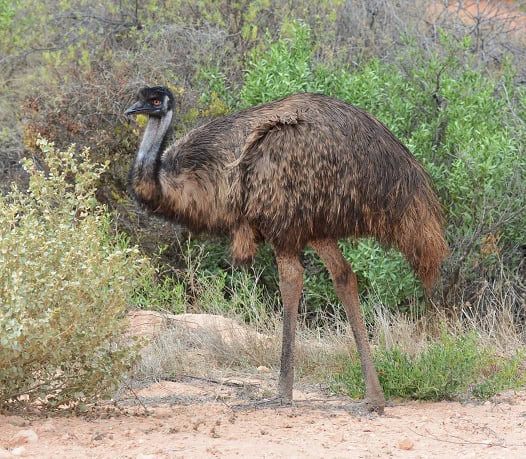
Emus are very tame here and are often seen walking through the campground. In the parking lot, I also saw Western Grasswren, Australian Fairy Wren, and White-browed Scrubwren.
There are many places worldwide where you can swim with dolphins in a tank. Only at Monkey Mia can you see wild dolphins just a fish-length away. People gather on the beach every morning, and a few lucky people are chosen to feed the dolphins.
Link: Monkey Mia Hotel and Campground
(M) Write a review
You must be logged in to submit a review.
Queensland
Etty Bay (BT)
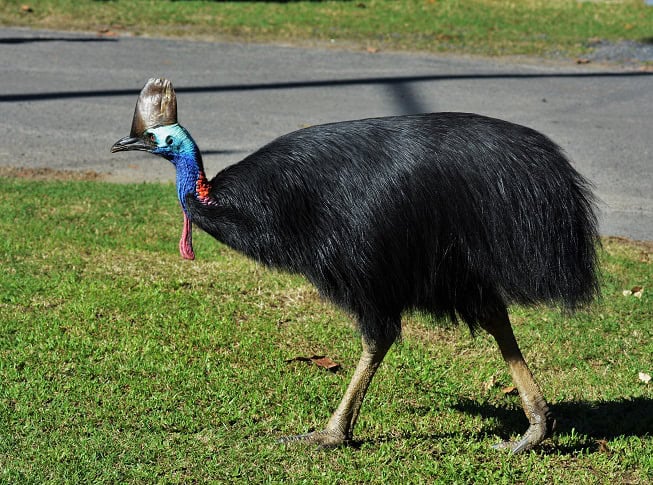
You won’t see a lot of birds at Etty Bay. But there is one bird here that, in my opinion, is the top bird to see in Australia. That is the Southern Cassowary. The Cassowary is like an Ostrich on steroids. With toes like a Grizzly Bear, one kick from this bird can slice you in half. Like bears, they can be very aggressive if you get near their young. So it is unsurprising that people get out of their way when a big one comes strolling down the beach at Etty Bay. However, I found the Cassowaries at Etty Bay ignored humans and were simply passing through in their search for fruit.
My complete bird list here included only six species, but the Cassowary made the trip worthwhile. Other good sightings were the Bush Thick-knee, Forest Kingfisher, and White-belled Sea Eagle.
Ety Bay is not even large enough to call it a village. It is a small beach resort (if you don’t mind the crocodiles and Box Jellyfish). The campground also has cabins for rent. link: https://www.facebook.com/ettybaycaravanpark/
(M) Write a review
You must be logged in to submit a review.
Adder Rock, North Stradbroke Island (BT)
This is another location where you will not get a long list of sightings but the ones you get will make the trip worthwhile.
On the beach at Adder Rock, you can get close-up views of Brahminy Kites and White-bellied Sea Eagles. I had seen both of these species before, but at Adder Rock, you must shorten your telephoto lens because they can be too close to 400 mm.
The eagles can be seen from the cliffs around the town, but for close encounters, you have to go to the beach at Adder Rock. The best situation is to stay at Adder Rock campground and not in the town. Then, you can stroll to the beach several times daily to check for eagles. (Watch out for the huge Monitor Lizards). Although this is a campground, like most campgrounds in Australia, they also rent cabins.
Link: Adder Rock Campground
(M) Write a review
You must be logged in to submit a review.
Kingfisher Park (BT)
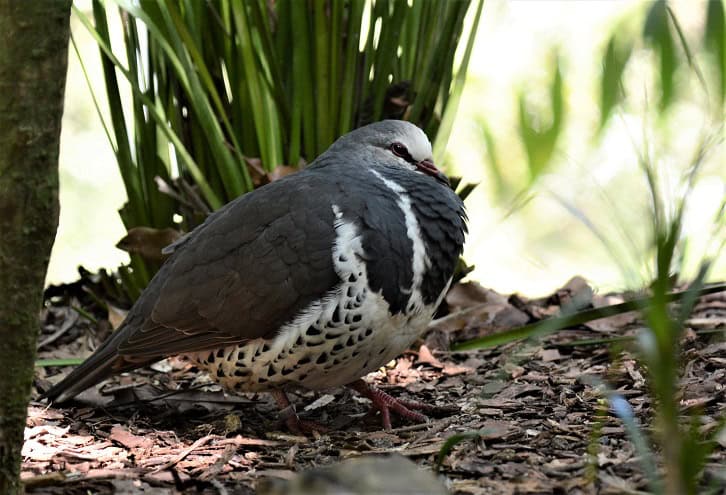
Kingfisher Park is a small place with lots of birds. During my visit, I saw 12 lifers. Several species of doves are common. You can sit on the deck and see several species of birds coming to the feeders. On the property and within a short walk, I found 12 lifers.
Three or four species of doves are easy to find near the campground, including the Wompoo Fruit Dove (photo). Australian Brushturkies and several species of honeyeaters are common. Wagtails, Fantails and pretty little Firetails are also common here. With luck, you can find some of the more elusive birds, such as the Noisy Pitta. It is common here but difficult to see as it mostly stays on the ground in the bushes and undercover. With patience, you should be able to get a good look at it.
You should be able to find plenty of birds on your own, but short guided tours are also available. The owners are very knowledgeable about the birds.
There is no public transportation to Kingfisher Park, so a vehicle is necessary. Directions are on their website. Click here.
Both camping and other accommodations are available. Kingfisher Park Birdwatcher’s Lodge
(M) Write a review
You must be logged in to submit a review.