North Norfolk
Why Go?
North Norfolk is a premier birding destination in the UK. It offers diverse habitats, including beach, salt marshes, dunes, and reedbeds.
Where is North Norfolk?
North Norfolk is a district along the coast in the English county of Norfolk, facing the North Sea. The largest city is Norwich. It is worth spending a day there to see the cathedral and the many medieval buildings.
Head north 23 miles (37 kilometres) to Comer on the coast. Then drive west on A149. Drive to Cley Next the Sea. This is the closest town to the Cley Marshes. From there, it is about a 40-minute drive, if you don’t stop, to Titchwell at the other end of the birding area.
Find accommodations in any of the little towns and villages along this route. Somewhere about halfway might be good, or you may want to stay closer to Titchwell. Hunstanton and Brancaster are coastal towns north of Titchwell and would make a nice base.
There are hundreds of marshes and ponds all along the North Norfolk birding area between the A149 and the coast. Many of them have hides. Getting to them is a bit tricky, so you will need a detailed local map.
The Birds
There are many great birds to see along the coast of Norfolk.
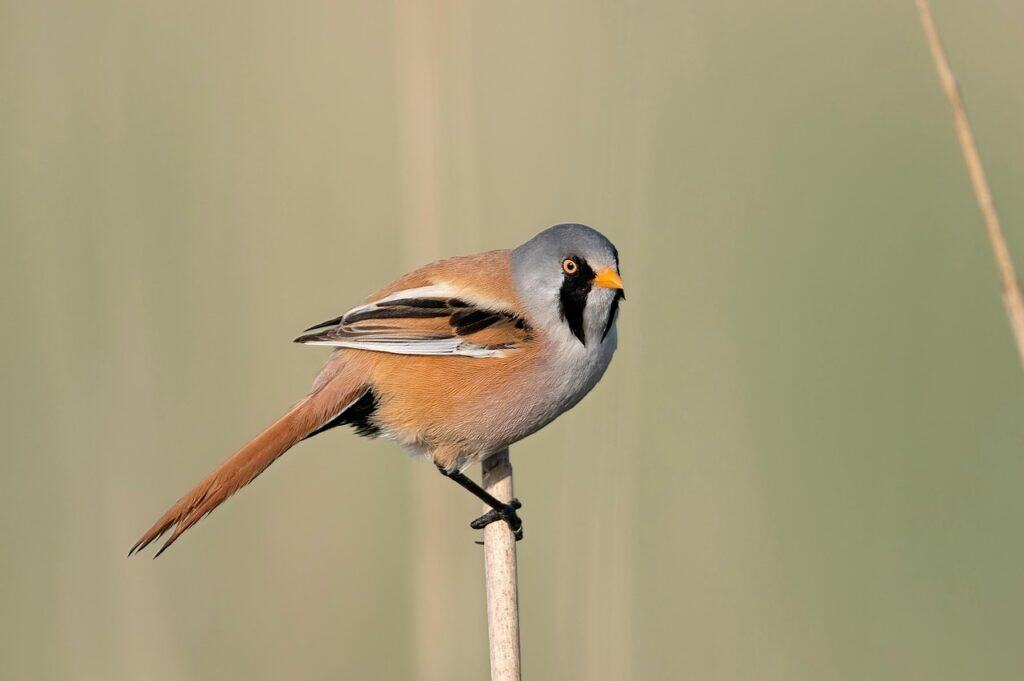
The Bearded Reedling can be found all year round in North Norfolk. Check Cley and Titchwell reserves.
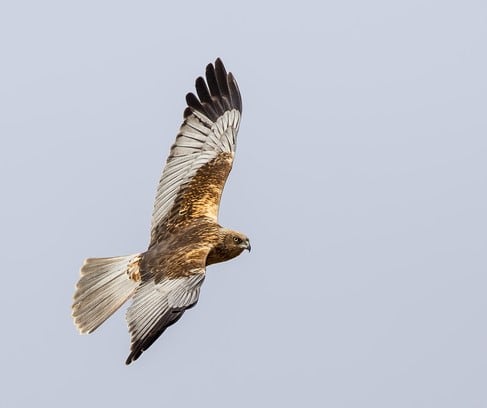
Watch for the Western Marsh Harrier.
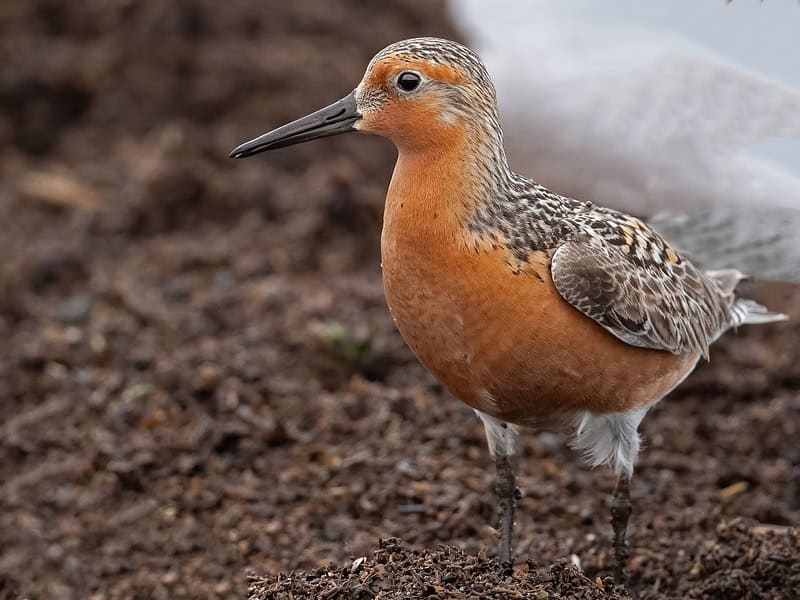
Watch for the Red Knot. Depending on the season, you can see them in their breeding plumage.
The Best Spots
Norfolk Wildlife Trust Cley and Salthouse Marshes
The Cley and Salthouse Marshes are great for raptors. You might see Honey Buzzard, Goshawk, Hen Harrier, Western Marsh Harrier, Long-eared Owl, Short-eared Owl, Little Owl, Tawny Owl, and others. In addition to raptors, there are Spoonbills, Avocets, waterfowl, Common Crane, Sandpipers and lots of other species.
The RSPB (Royal Society for the Protection of Birds) Titchwell Marsh
Titchwell is at the western end of the birding area. The many diverse habitats here include reedbeds, salt marsh, and woodland. Titchwell is especially good for raptors and sandpipers, and Ringed Plovers.
Their website includes downloadable trail maps and a list of birds seen over the past week, along with the trails on which they were observed. Click Here.
Norfolk Wildlife Trust Holme Dunes
Great for coastal species. It is located at the west end of the birding area on the coast where the North Sea meets a bay known as “The Wash”.
When to go?
There is superb birding in North Norfolk for most of the year. June and July are the quietest. The spring nesting season is excellent for breeding Marsh Harriers, Little Egrets, and Avocets, with potential for rarer visitors like Spoonbills, Ospreys, and Firecrests. There are huge flocks of waders during the winter months.
(M) Write a review
You must be logged in to submit a review.
Photo Credits
Red Knot – Brian Kushner
Western Marsh Harrier – Cablar Guagor
Bearded Reedling – HenkvanDorp