Lac du Der-Chantecoq
Lac du Der-Chantecoq is a human-made lake in France, located about 190 km southeast of Paris. It was dug in 1974 to store water from the River Marne. The lake covers 48 km2 (19 sq mi) and is fed by a 12 km long canal from the Marne.
Why go to Lac du Der-Chantecoq?
The world’s best birding hotspots are typically natural, not created by humans. Lac de Der-Chantecoq is an exception. Tens of thousands of waterfowl and gulls use the area in winter. The shore is a habitat for herons and cormorants. Marshes along the shore provide habitat for Little Bitterns and Purple Herons. It has become one of the best birding sites in France.
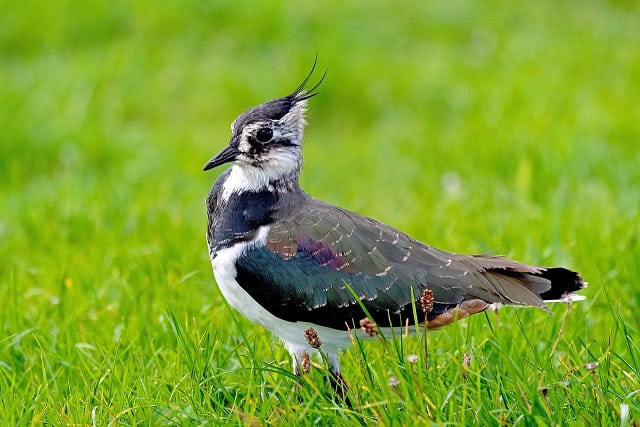
About 10,000 Northern Lapwings visit the lake in winter.
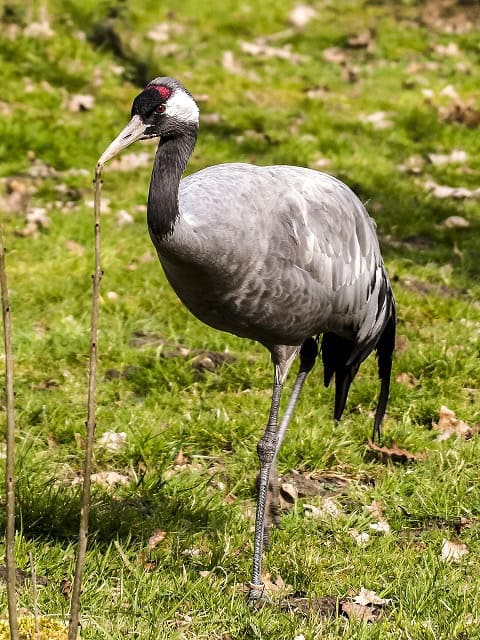
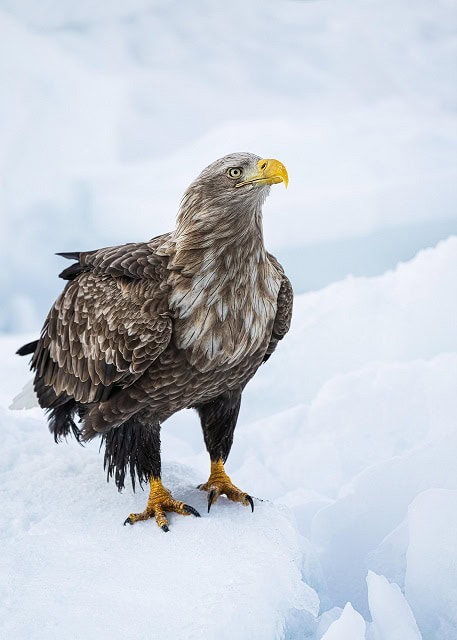
The key species to look for are the Common Crane and the White-tailed Eagle. Almost the entire population of Common Cranes from Russia and Scandinavia stop here on their way to Spain for the winter and again on their return route in the Spring, about 60,000 in total. A few thousand live there year-round.
The local conservation society purchased a nearby farm called Ferme des Grues, where they are protected and fed. This keeps them from going to other farms where eating the crops makes them unpopular.
The Cranes are wonderful; however, the lake is the only place in France where White-tailed Eagles spend the winter. There are not many of them, so you may need a guide to find this species.
The forest around the lake is home to many other species. One good spot is the campground at Larzicourt.
Getting there
You can reach Lac du Der-Chantecoq by road or train. It is approximately a three-hour drive from Paris or a two-hour train ride from Paris, Brussels, or Strasbourg.
When to go.
Winter is the most popular.
The Crane and Migration Festival takes place in the second half of October.
Tours
For tours and guides, contact the Office de Tourisme du Lac du Der en Champagne. The building is located in Giffaumont-Champaubert.
The Town of Chantecoq
Lac du Der-Chantecoq is named after the town of Chantecoq, which is now submerged since the creation of the artificial lake.
Distribution White-tailed Eagle
The White-tailed Eagle is mainly found in Europe but also occurs at scattered locations across Asia, and is numerous in Japan.
Distribution Common Crane
The Common Crane population is primarily found in Europe, with scattered locations across Asia and large concentrations in Mongolia and northern India.
Photo Credits
Thank you very much to the following people for their photos. Birdtripper primarily uses our own images, but we often seek photos of species that are not in our inventory. Our readers are welcome to submit photos for our website. Photo credits are given, as well as a link to your website if it is a wildlife website and not a personal one.
Common Crane – Kathy Buescher
White-tailed Eagle – Penny Ashey
Northern Lapwing – George Wietschorke
(M) Write a review
You must be logged in to submit a review.
The Camargue
The Camargue is one of Europe’s best birding sites. It is located on the Mediterranean coast between two arms of the Rhone River, creating the largest delta in Europe. It provided 750 sq km of fine wetland habitat.
The Birds
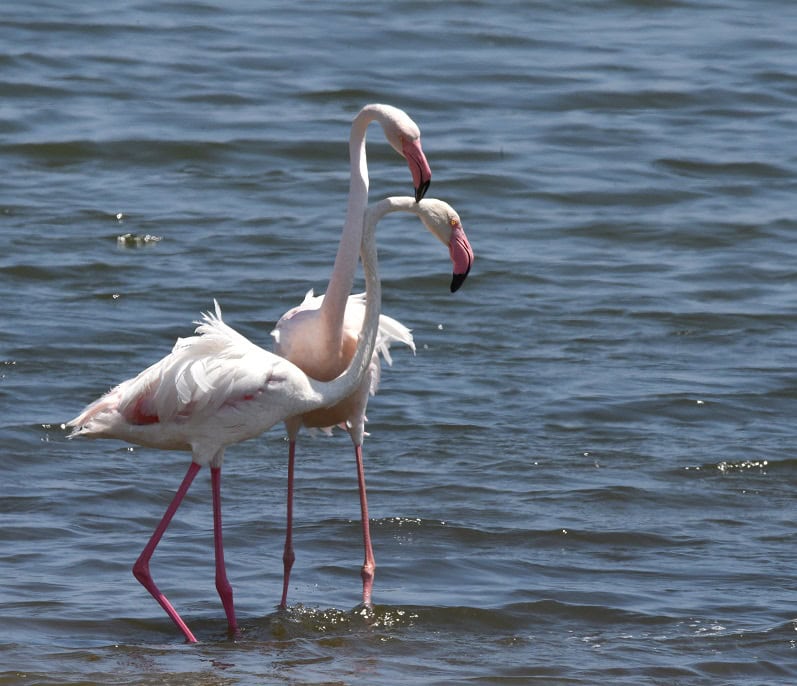
The Camargue has a large colony of nearly 15,000 pairs of Greater Flamingos. Another speciality is the Slender-billed Gull. Like the falmingos, they eat shrimp and are often seen feeding around the feet of taller birds. There are almost 1,000 pairs. It is also a good place to spot the Kentish Plover. There is a small flock of Pine Buntings present in winter, which are rare this far west.
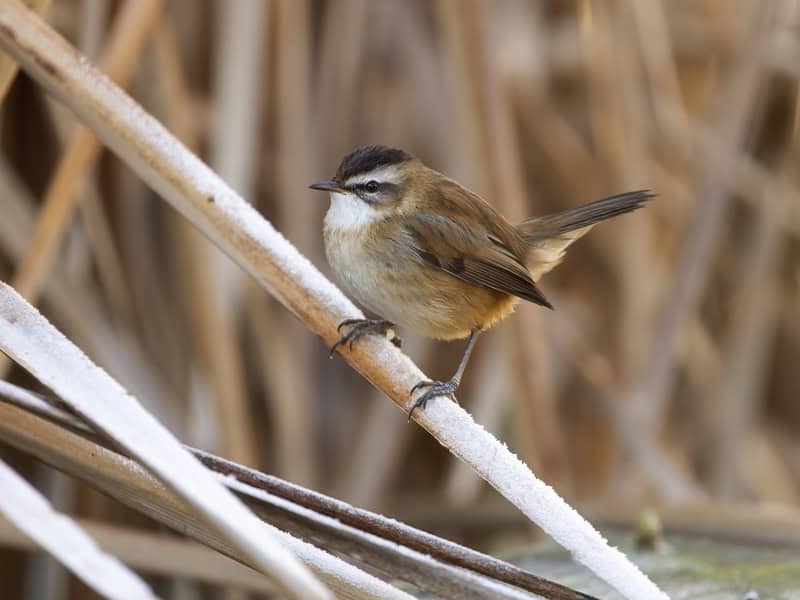
Check the lakes in spring for marshland birds, including Purple Heron, Squacco Heron, Western Marsh Harrier, Great Reed Warbler, Bearded Reedling, and the Moustached Warbler
La Crau
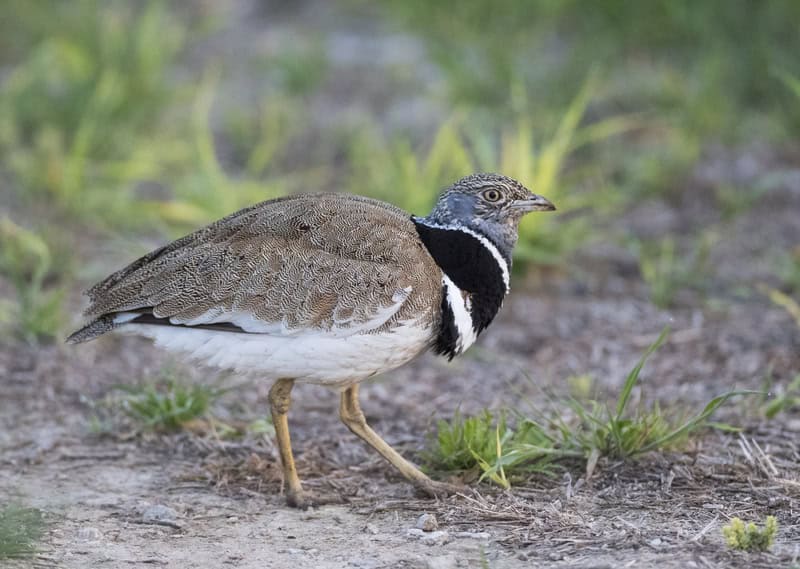
Further from the coast, but worth the drive if you have the time, is La Crau. It is located between Arles and Salon-de-Provence. It is an area of dry, stony steppe. The ground cover consists of pebbles, herbs and small bushes. Look here for A population of several hundred Little Bustards, along with about 150 Pin-tailed Sandgrouse, European Rollers, and Great Spotted Cuckoo.
Unfortunately, most of La Crau is private property and affords no formal protection for wildlife. The only place where the birds are protected is the Coussouls de Crau nature reserve.
When to Go
A quarter of the Flamingo population remains in The Camargue year-round. Three-quarters of them migrate in winter to Spain and north-west Africa. Although there are fewer flamingos, winter is the best time to visit. That is when seasonal rains fill many ponds that are dry during the summer months. These ponds attract many waterfowl, including the Red-crested Pochard. Then the waterfowl attract the raptors, includingthe Greater Spotted Eagle, Long-legged Buzzard, and Booted Eagle.
Photo Credits
Moustached Warbler – Mike Lane
Little Bustard – Agami Photo Agency
Greater Flamingo – Birdtripper
(M) Write a review
You must be logged in to submit a review.