Tikal (BT)

Tikal is famous for its ancient Mayan city, which is why most people go there. Located in the northern Guatemalan state of Peten, six large pyramids rise above the surrounding jungle. In addition to pyramids, there is a whole city of smaller structures. The city, the pyramids, and their history are both fantastic and fascinating. They are incredible and worth seeing.
Birding Tikal
Tikal is a fantastic place, and people from all over the world come to see it. What most people don’t know is that Tikal is also teeming with birds. The city is located in a national park in Petén, Guatemala, which is primarily uninhabited, a dense jungle, and an excellent bird habitat. Some people come here specifically to see hard-to-find jungle birds.
Of our four days at Tikal, one was devoted exclusively to birdwatching. Two birds that I especially hoped to find were the Emerald Toucanet and the American Pygmy Kingfisher. The toucanet is similar to a toucan but smaller and primarily green. I was thrilled to find one for my 500th bird species sighted.
Ocellated Turkey

It is probably the best place to see the Ocellated Turkey, which is quite common. You might see them on the hotel lawn. They are classified as near threatened and have been eliminated from most of their range. Toucans are also common. The birds around the hotels have become habituated to people and are pretty tame. The park is an impressive 222 square miles.
Crested Guan
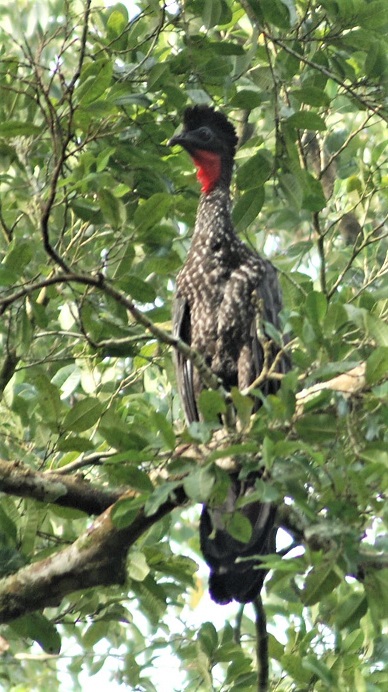
I found a Crested Guan, another large ground bird. I saw it sitting in a tree. It is brown with white spots and a red throat.
Montezuma Oropendola

We saw a large tree with several nests of the Montezuma Oropendola. Their nest is like a large bag hanging from a branch. Orioles make a similar nest, but much smaller. The Oropendola makes a strange noise like a ray gun from a science fiction movie.
Ridgeway’s Rough-winged Swallow
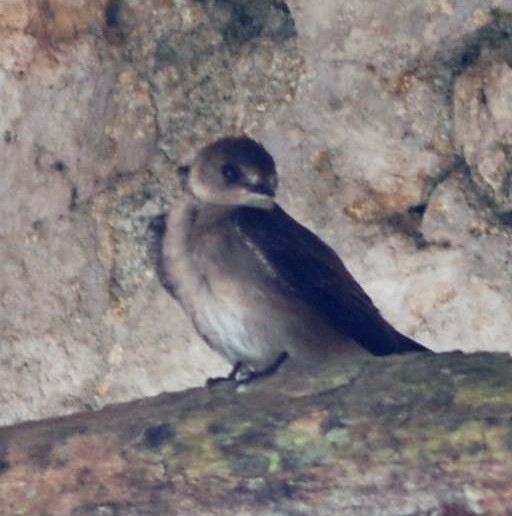
The Ridgeway’s Rough-winged Swallow lives inside some of the ruins. They are challenging to photograph as they fly away whenever anyone enters the room. I did manage to find one that sat still long enough for one photo.
Flycatchers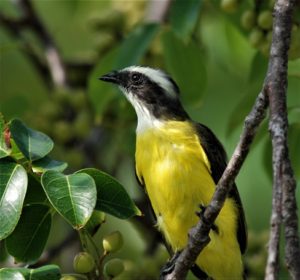
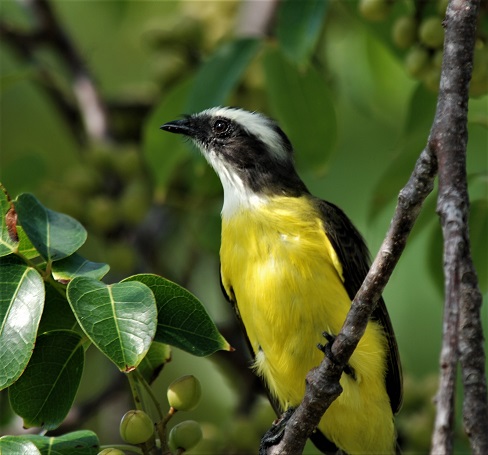
I saw several different kinds of flycatchers, including the Social, Sulpher-bellied, Royal and Piratic Flycatchers.
Swallow-tailed Kite
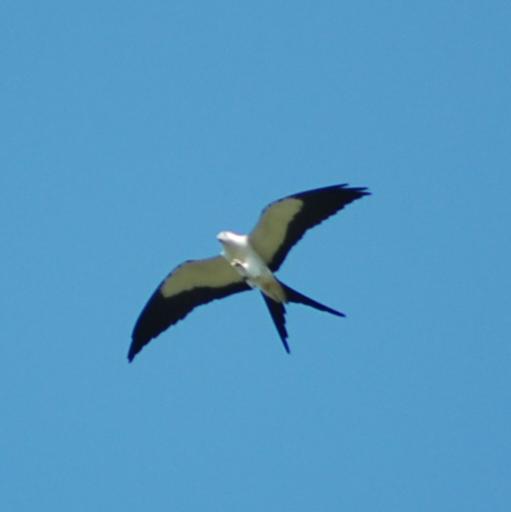
We saw some Swallow-tailed Kites flying overhead. This is a large, magnificent, black-and-white raptor with a split tail. I rushed up the stairs of Temple Two to get closer for a photo. While up on the temple, I also saw an Orange-breasted Falcon and a Plumbeous Kite.
Keel-billed Toucan
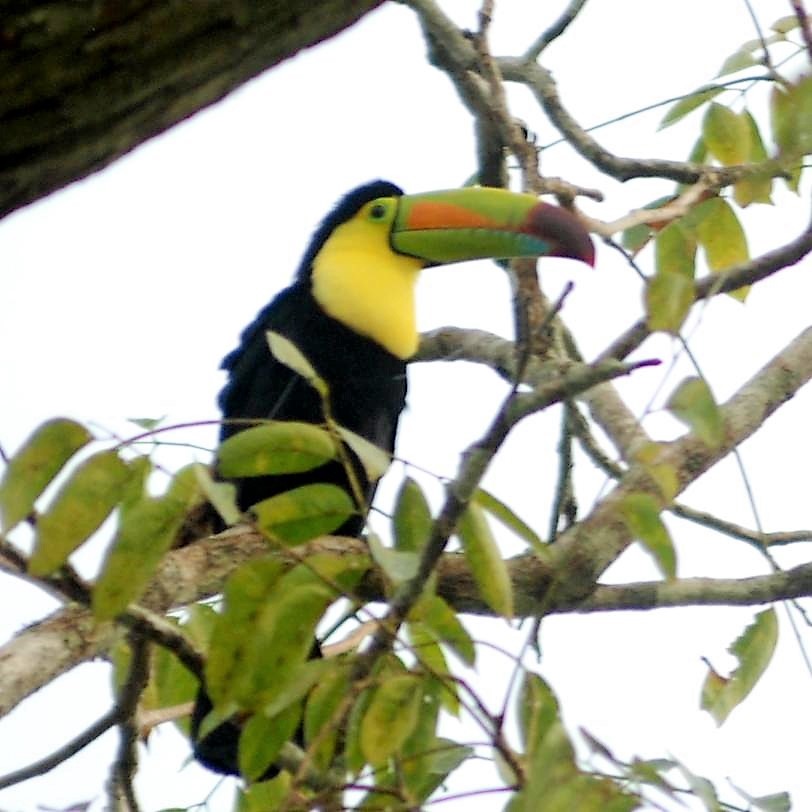
I had seen the Keel-billed Toucan a few times before, but was really happy to get a nice close look at one. However, I didn’t have any Fruit Loops handy to feed him.
Emerald Toucanet
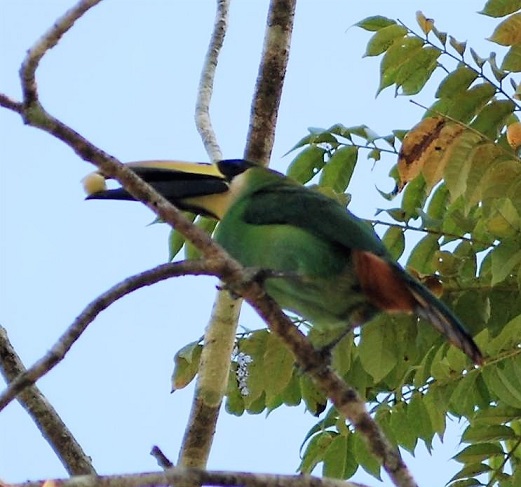
The Emerald Toucanet is a primarily green member of the toucan family. It is found in Central America, from Mexico to Nicaragua; however, I have spent a lot of time in Mexico and never saw one there. They nest in Tikal.
Strong-billed Woodcreeper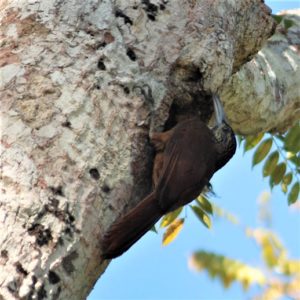
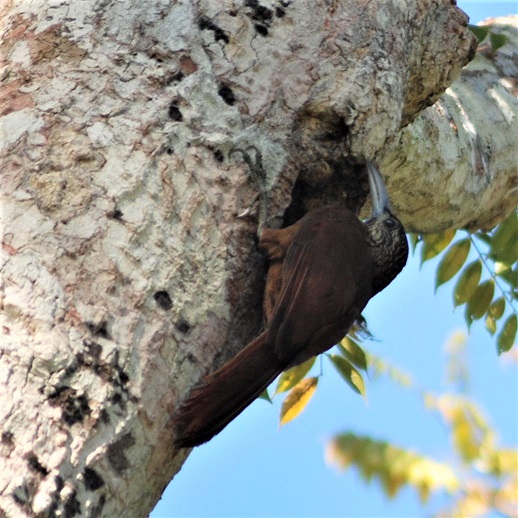
I also found a bird called a Strong-billed Woodcreeper, which is a scarce bird.
No sign of the Pygmy Kingfisher. I had been looking for one since November.
Pygmy KF
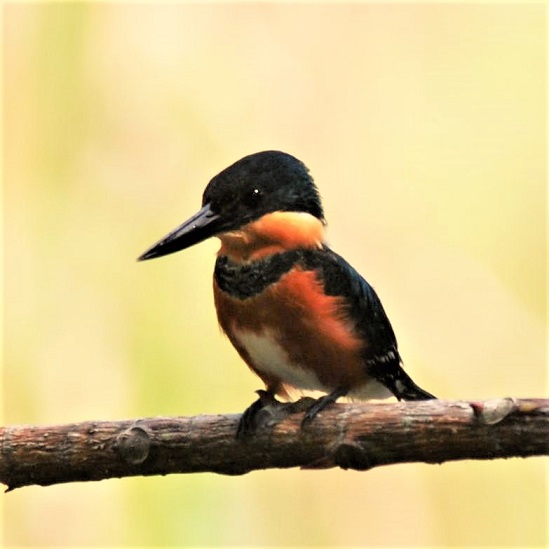
After three very lovely days here, it was time to leave Tikal. But the bus did not leave until noon, so we had time for one last search for the American Pygmy Kingfisher.
I was running out of time. Just one hour more. I had given up hope. Then, at the last minute, I found him.
The Pygmy Kingfisher is a beautiful little bird that appeals to me very much. At only 13.5 cm (5.25 inches) from beak to tail, he is smaller than a sparrow. This tiny, pretty bird is no seedeater but a voracious hunter of fish. Like all kingfishers, it sits on a branch overlooking water and waits for a fish to come close to the surface. When it spots a likely catch, it dives headfirst into the water and comes up with the fish in its beak.
After a good look through my binoculars, he was still there, so I set up my tripod and telephoto lens to get some photos, and I was successful. After posing for a few photos, he flew away to fish in another location.
Go Birding Tikal
I boarded the bus out of Tikal with a smile on my face. I would like to make another trip to Tikal in the future. The pyramids are wonderful, but next time, I will go solely to photograph the fantastic variety of birds that are abundant in the ruins. If you want to add several new species to your life list, I suggest birding at Tikal.
Practical Information
You can get to Tikal by tour bus from the city of San Ignacio in Belize or the nearby city of Flores or fly from Belize City. Most tourists go there just on day trips. I recommend going for three days and staying right inside the park. There are a couple of hotels within the park. This way, you don’t waste time and money driving back and forth. And you get to be out looking for birds before the park even opens for the day. (Being the intrepid traveller that I am, I arrived at Tikal from the Mexican state of Chiapas by an unorthodox route from the west, going down the Usumacinta River and then overland through the Guatemalan state of Peten.)
For accommodations in the National Park, click here.
Safety
Although parts of Guatemala can be dangerous, Tikal National Park is very safe.
Mayan Ruins
For information on the amazing Mayan ruins in Tikal, click here.
(M) Write a review
You must be logged in to submit a review.