The Outer Hebrides
Where are the Outer Hebrides
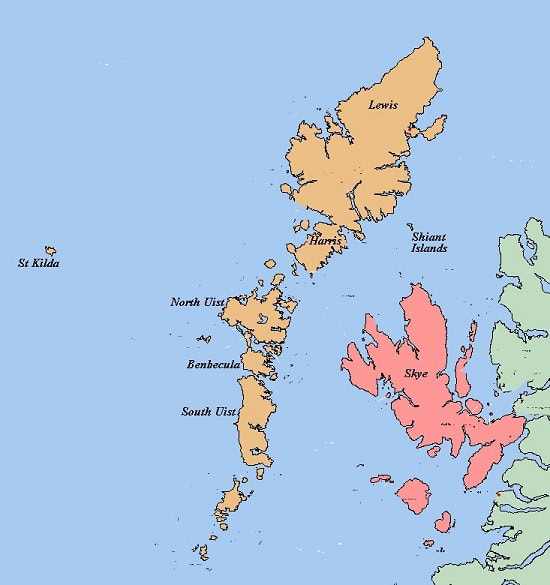
The Outer Hebrides is a group of Islands about 50 km off the northwest coast of Scotland.
Why go there?
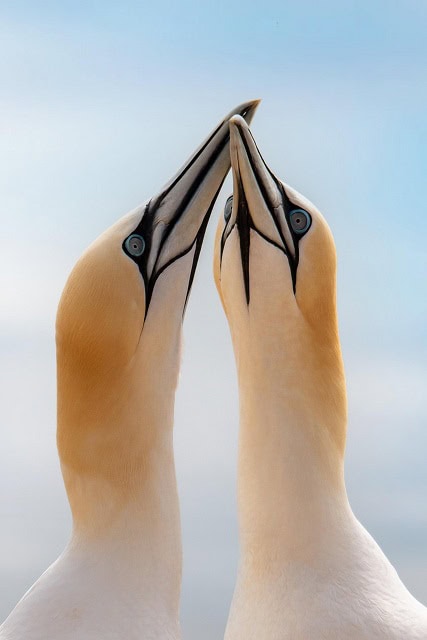
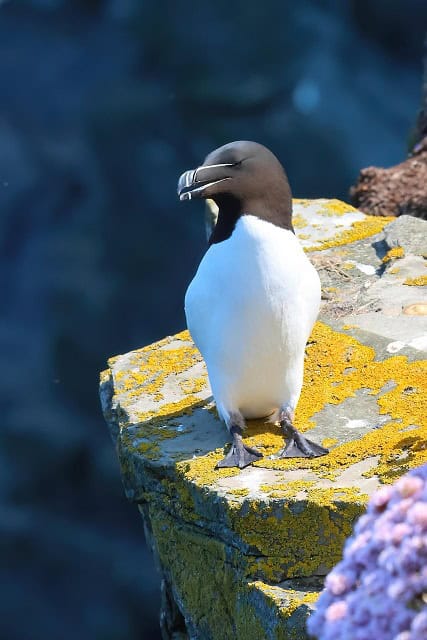
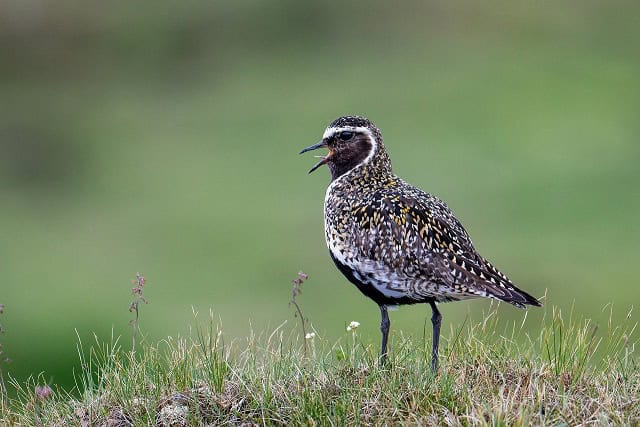
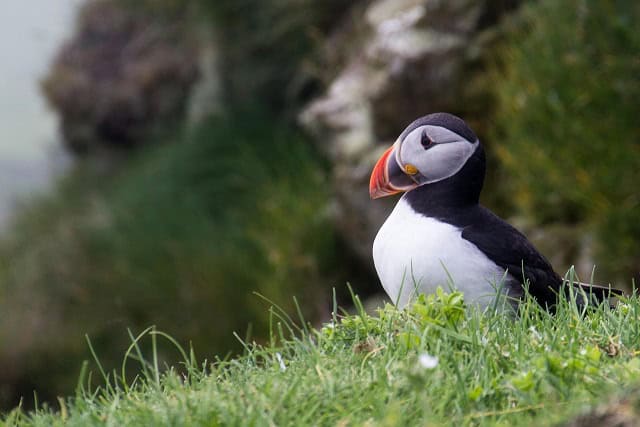
Why should you go there? No places in Britain have more shorebirds and seabirds than the Outer Hebrides. This includes European and 90% of Europe’s Leach’s Storm-Petrels, 24% of the world’s Northern Gannets, Corn Crakes, Atlantic Puffins, Northern Fulmars, Razorbills, large numbers of European Golden Plovers, and skuas.
Thousands of Long-tailed and Pomarine Skuas visit the islands in May
The Corn Crake is rare in Britain except in the Outer Hebrides, where it is relatively common.
Shorebirds include large numbers of Common Redshank, Common Greenshank, Dunlin, Lapwing Plover and Ringed Plover.
Raptors, including Hen Harriare and Golden Eagle, are also present.
On the lakes, of which there are many, you may see swans, Common Eiders and other ducks, Red-throated and Black-throated Loons. (Loons are known as Divers in Britain). Look for the Black-throated Diver on large lakes and the Red-throated on small ponds near the coast.
Birding Hotspots in the Outer Hebrides
Island
Lewis
Shiant
North Uist
Benbecula
South Uist
Hotspot
Butt of Lewis
Port of Ness-Skigersta
Balranald
Aird an Runair
Committee Road
Coast Road
Loch Druidibeg
Rubha Ardvule
Loch Eynort
Information
The largest and northernmost island, The Butt of Lewis is the northermost point of the island
Near the north of the island, on the east side,
A very tiny island between Lewis and the mainland. 150,000 Puffins.
Best place in Britain to see the Corn Crake
Palagic birds.The most westerly point on North Uist.
Hen Harrier, Golden Eagle, Merlin and Short-eared Owl.
Between Loch Fada % Loch Mor
Waterfow % raptors
Palagic birds
White-tailed & Golden Eagles
St Kilda
One of the best birding hotspots in the Outer Hebrides is the island of St Kilda. Unfortunately, this island is located a further 64 km west of the Outer Hebrides. Ships make daily trips to St Kilda. However, departures are weather-dependent and are often delayed or cancelled due to adverse weather conditions or high seas.
Many seabirds nest on small, remote islands
How to get there?
Ferries leave from Oban, Mallaig, and Ullapool on the Scottish mainland. There are also ferries from Uig on the Isle of Skye and Tiree in the Inner Hebrides (summer only). These ferries do not all go to the same port in the Outer Hebrides, so you need to investigate which part of the islands you wish to start your tour.
If you prefer to fly, flights leave from Stornoway, Benbecula, or Barra.
There are also inter-island flights and ferries to get you from one island to another.
To reach Shiant Island, you must take a boat from Harris Island.
The Outer Hebrides are made up of more than 70 islands, some large and some tiny. Here are the best birding hotspots listed with the name of the island first, then the hotspot, from north to south
When to go
The best time for birding in the Outer Hebrides is in May and June, when the birds are nesting and the skuas are passing through. The weather in the islands is cool and damp, ranging from 7 to 15 °C in May and June.
(M) Write a review
You must be logged in to submit a review.
Photo Credits
Most of the photos on Birdtripper are taken by us.. Occasionally, we use images from other contributors. If you have a nice picture of a bird that fits in one of our articles, feel free to send it to us. Or, if you have visited a birding hotspot that is not covered in Birdtripper, you could write an article for publication here.
Razorbill by Aidan Semmens
European Golden Plover by Xi Serge
Northern Gannet by Marco Federmann
Atlantic Puffin by Lubker