Extremadura
Birding Extremadura
Where is Extremadura?
Extremadura is a region in western Spain along the border with Portugal. It encompasses the provinces of Cáceres and Badajoz.
Why Go?
Extremadura is sparsely populated, characterised by rolling hills, woodland, rugged mountains, small towns and farms. There are just over one million people spread over 41,634 km2. This means there is plenty of uninhabited land for wildlife. Birding in Extremadura can be very rewarding.
The Hotspots
Birding is good all over Extremadura. However, there are two great birding hotspots. One is Monfrague National Park (established in 2007), and the other is Tagus International Natural Park, which spans both banks of the Tagus River, forming the border between Spain and Portugal.
The confluence of the Rio Tejo and Rio Tietar in Monfrague National Park is one of the best sites in Europe for spotting raptors. Sixteen raptor species breed in the area, including the Spanish Imperial Eagle, Golden Eagle, Booted Eagle, Bonelli’s Eagle, and Short-toed Eagle. There are several species of vultures at Penafalcon, including the Griffon Vulture and the most Black Vultures in the world. Other species at Penefalcon include Black-eared Wheatear, Alpine Swift, Red-billed Chough and Blue Rock Thrush.
Birding Extremadura
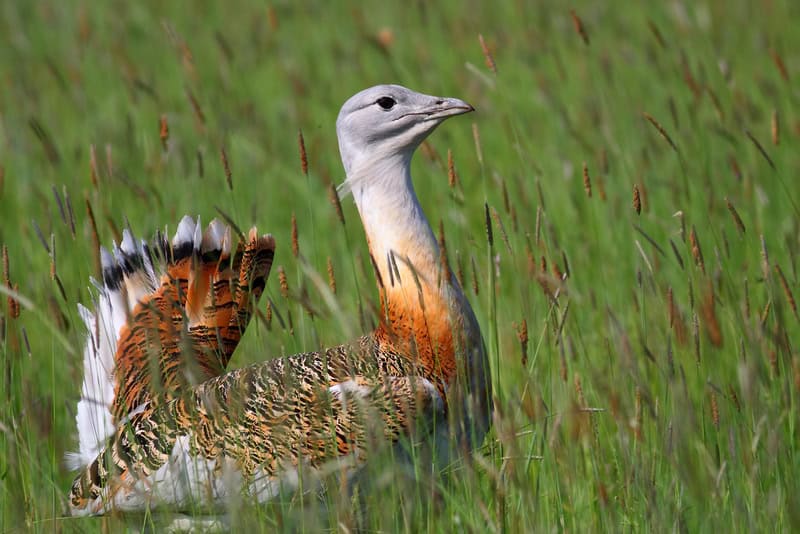
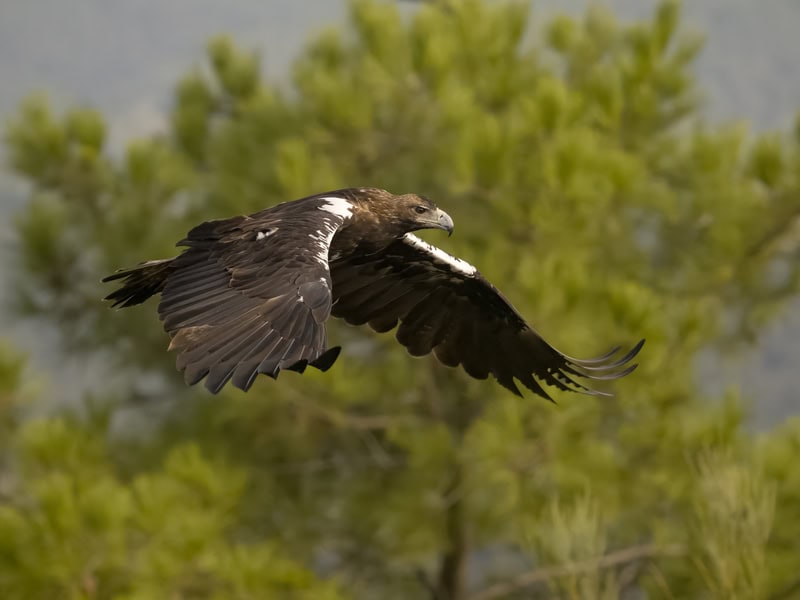
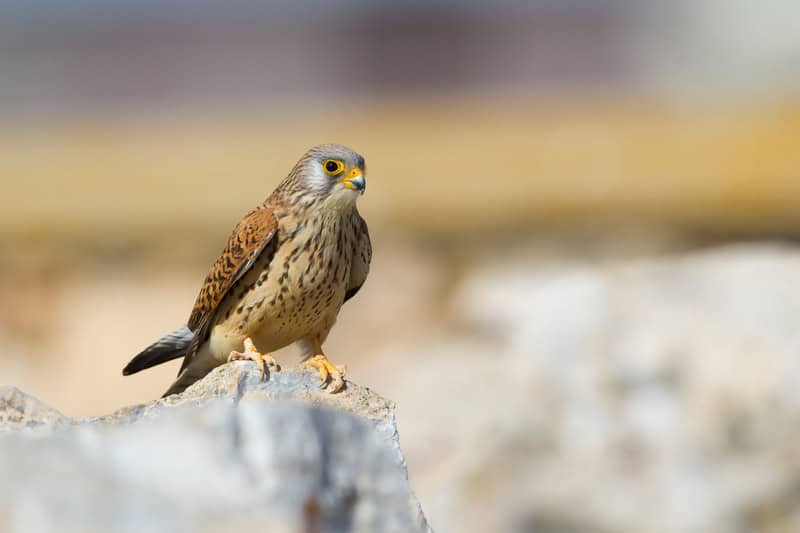
Key species are the Great and Little Bustards, Pin-tailed Sandgrouse, Black-bellied Sandgrouse, Black Vulture, Iberian Azure-winged Magpie, Lesser Kestrel, and the magnificent Spanish Imperial Eagle.
Other species include Common Quail, Montagu’s Harrier, Greater Short-toed Lark, Calandra Lark, Black-winged Kite, European Roller, Southern Grey Shrike, Woodchat Shrike, Great Spotted Cuckoo, Azure-winged Magpie, and Eurasian Stone-curlew. Look for Common Cranes during winter.
There are about 7,000 Great Bustards and more than 20,000 Little Bustards. Extremadá is probably the best place in the world to see these shy birds. It is also the best place in Europe to see the Pin-tailed Sandgrouse.
When to Go
Birding is good all year in Extremadura; however, the best time is April to June when birds are nesting.
Photo Credits
Lesser Kestrel by Johannes Mayer
Great Bustard by Peter Gyure
Spanish Iperieal Eagle by Mike Lane 45
(M) Write a review
You must be logged in to submit a review.
Doñana National Park
What is it?
Doñana National Park is a massive wetland of 543 km² (209.65 sq mi) comprising marshes, streams, and the Guadalquivir River delta.
Where is it?
Doñana. National Park is situated in Andalusia, southern Spain, on the coast between Gibraltar and the border with Portugal.
In Spanish (Español)
The name of the park in Spanish is Parque Nacional de Doñana. Doñana is pronounced like Donyana.
Why go?
Doñana National Park is teeming with birdlife. It is one of Europe’s top wetland habitats for birding.
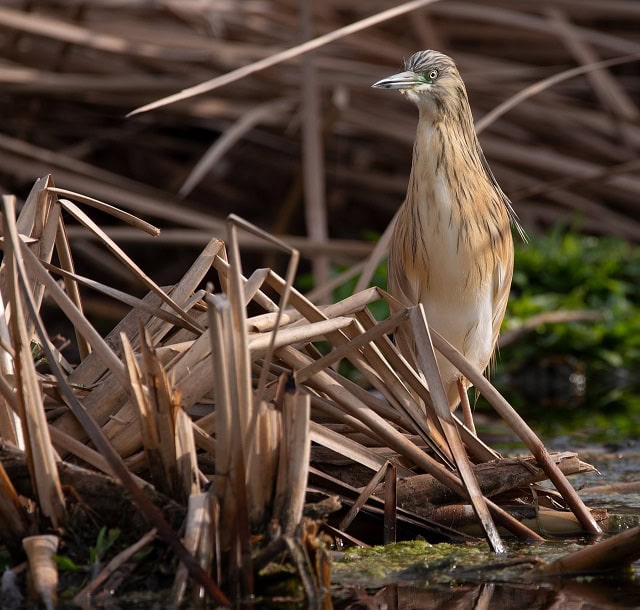
Squacco Heron photo by Jerry779
- Several species of herons, including Squacco Heron and the secretive Little Heron.
- Glossy Ibis.
- 400 pairs of Eurasian Spoonbills.
- Greater Flamingos
- The largest colony of White Storks in Europe
- Red-knobbed Coot
- The Marbled Duck (not found in Europe outside of Spain
The Spanish Imperial Eagle
In addition to the above species, Doñana National Park is home to the majestic Spanish Imperial Eagle.
Photo Credit. Spanish Imperial Eagle by Mikelane45
You must be logged in to submit a review.