Falsterbo
Where is Falsterbo?
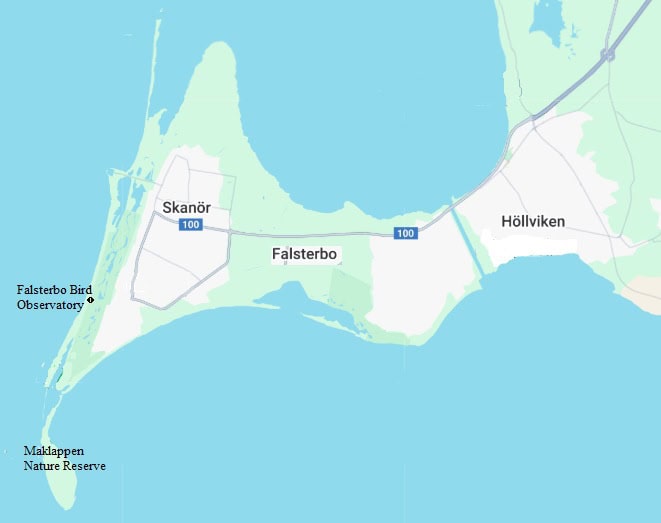
Falsterbo is located at the southern tip of Sweden. It is a small peninsula that sticks out from the mainland in the southwest corner of the country.
Måkläppen is a nature reserve at the tip of the peninsula. There is also a bird observatory.
Why go?
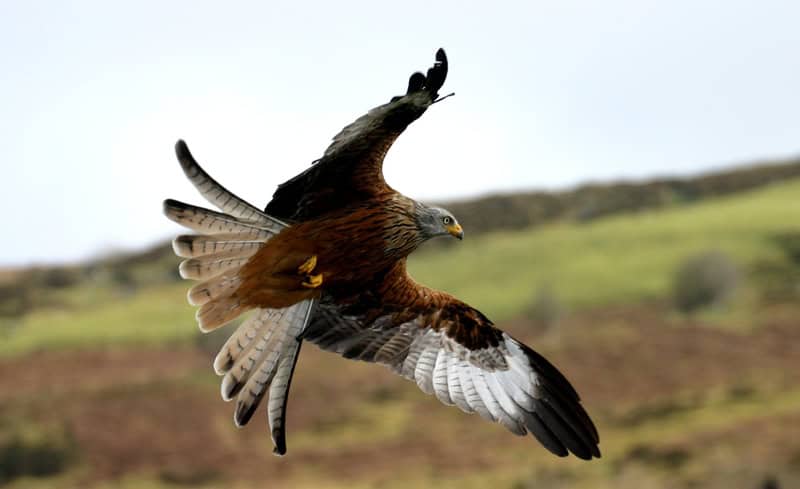
Large numbers of raptors can be seen at Falsterbo in the Fall, including Honey Buzzard, Red Kite, and Rough-legged Buzzard. In addition to raptors, there are finches, tits, waders, pigeons, Spotted Nutcracker and others. One speciality to look for is the Black Woodpecker.
Falsterbo is one of the best places in the world to watch bird migration. Millions of birds pass through here on their fall migration. There has been a bird observatory here since 1955. Birders have counted up to 14,000 raptors in a single day. Average seasonal counts are as follows:
Eurasian Sparrowhawk – 15,300
Common Buzzard – 10,500
European Honeybuzzard – 5,000
Rough-legged Buzzard – 1,100
Western Marsh Harrier – 630
Common Kestrel – 400
Osprey – 240
Hen Harrier – 210
Merlin – 200
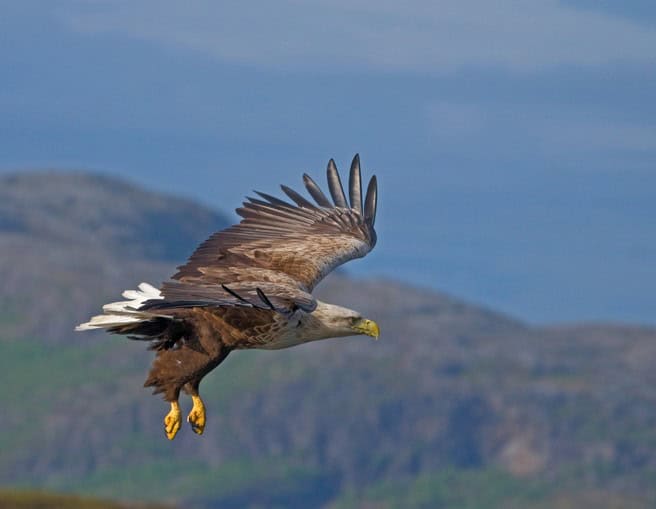
White-tailed Eagle, Golden Eagle, Montagu’s Harrier, Eurasian Hobby, Peregrine Falcon, Greater Spotted Eagle, Lesser Spotted Eagle, and Pallid Harriers also pass through in small numbers.
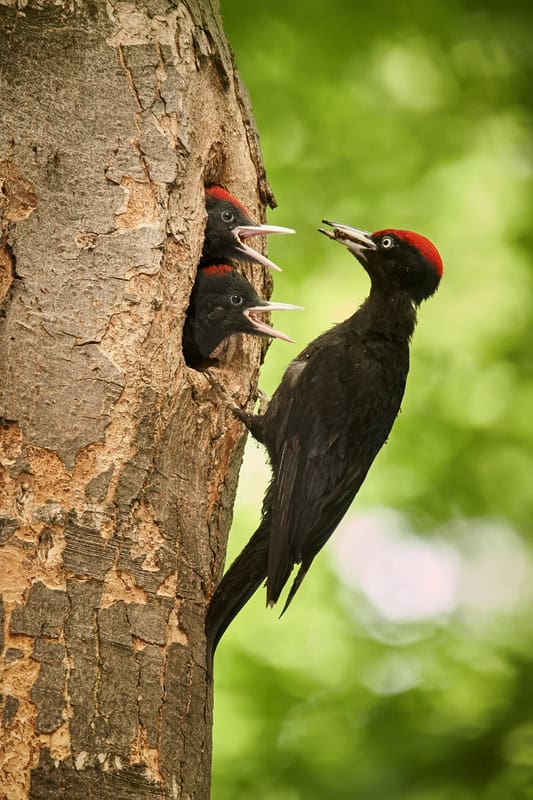
Besides raptors, Falsterbo is also great for passerines, including thousands of tits, waders, finches, pipits, flycatchers, the Spotted Nutcracker, the Black Woodpecker, and many others.
Falsterbo is also one of the best places in Europe for sightings of small birds such as finches, piptis and many others. About 10,000 will pass through daily, with seasonal totals as follows:
Common Wood Pigeon – 207,000
Western Yellow Wagtail – 32,000
Western Jackdaw – 30,000
European Greenfinch – 26,000
Tree Pipits – 20,000
Blue Tits – 17,000
Check the Lighthouse garden for Spotted Nutcracker, Red-throated Pipit, Lapland Bunting and Black Woodpeckers.
When to go?
The best time of year is from August to the end of October. The smaller birds are there all summer, but fall is when the raptors pass through. Each species has its peak time as follows:
Western Marsh Harrier and European Honey Buzzard – Late August to early September
Red Kite – Third week of September
Common Buzzard and Rough-legged Buzzard – Mid October
for the most variety of species – Mid-September
for the largest numbers – October
Photo Credits
Black Woodpecker by Petr Salinger
Red Kite by David Pickles
White-tailed Eagle by Ulfxpy
(M) Write a review
You must be logged in to submit a review.