Scroll down for the Spiny Forest
Andasibe-Mantadia National Park
Madagascar is a great destination for both mammals and birds. The wonderful lemurs can be seen only in Madagascar, which is why most tourists go there. However, it is also a fabulous birding hotspot.
Where is it?
Andasibe town is about a two-hour drive from the capital city of Antananarivo. Several tour companies in the city offer one- to three-day tours to Andasibe-Mantadia National Park, or you can rent a car with a driver or a taxi brousse. The taxi brousse operates like a bus route, except that it uses small vans. You can travel all over the island with taxi brousse, and they are very inexpensive. The drawback to using taxi brouses is that they are usually crowded. Purchase two spaces per person if you want more room. (These are called “collectivos” in South America if you have been there). I would avoid the regular buses, but there is a company called Cotisse that offers newer, more comfortable buses on a set schedule; however, they are more expensive than other bus companies. The best option, in my opinion, is to rent a 4×4 vehicle with a driver for about 40-50 euros per day, which includes the driver’s accommodations and meals.
About Madagascar
Madagascar is an underdeveloped country with few tourists and poor infrastructure. The roads are one-and-a-half lanes wide and full of potholes. Driving can be dangerous, so I do not recommend renting a vehicle without a local driver. Also, the airfare to get there is more expensive than going to other countries in southern Africa. Flights from Canada to Madagascar are 50 to 100 per cent above flights to Namibia, for example. The two main languages in Madagascar are French and Malagasy. Most of the tourists are from France; however, you might go a whole day without seeing any other tourists. However, all the problems and expense are worth the experience of a lifetime.
Getting to Madagascar is very expensive, but once you are there, things are much cheaper than in other African countries. You will need to pay for most things in cash. ATMs are available only in the cities.
Avoid going to Madagascar during its rainy season, which is December to March. It is not too much fun walking around in pouring rain day after day, and roads are often washed out and impassable.
The Mammals
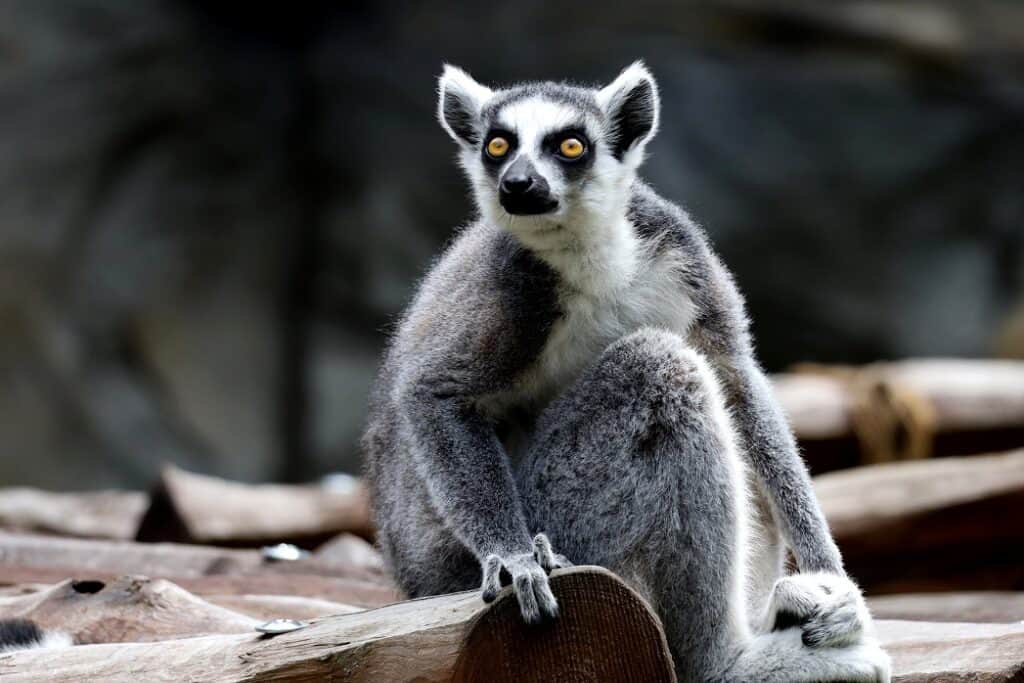
Although this website is for birders, if you go to Madagascar, you will want to spend some time looking for its unique mammals. More than 90 per cent of the plants and animals in Madagascar are found nowhere else.
There are more than 100 species of lemurs ranging in size from tiny to large. If you are very lucky, you might see a Fossa. This cat-like carnivore travels through the treetops hunting lemurs. Tenrecs are small hedgehog-like animals. They are nocturnal, so you probably won’t see one, but there are many other small mammals, and you will undoubtedly encounter a few of them.
The Birds
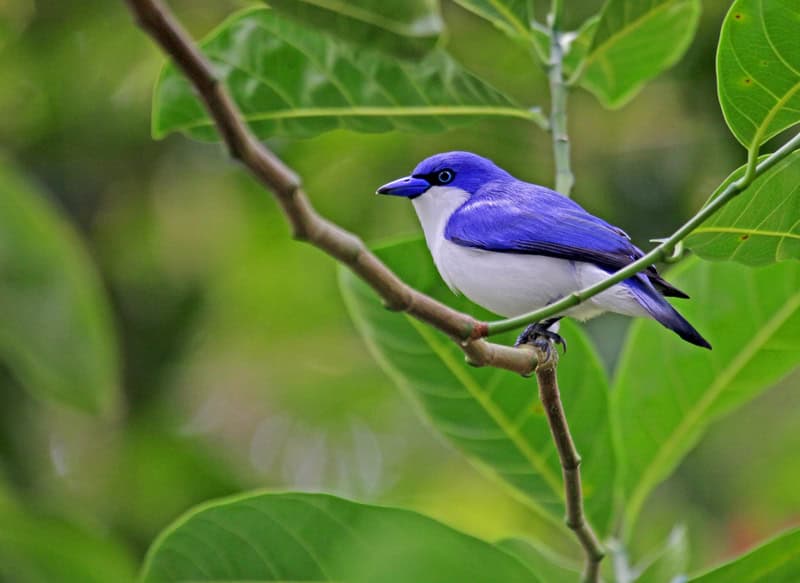
The key species to see in Andasidbe-Mantadia are the Nuthatch Vanga, Red-tailed Vanga, Blue Vanga
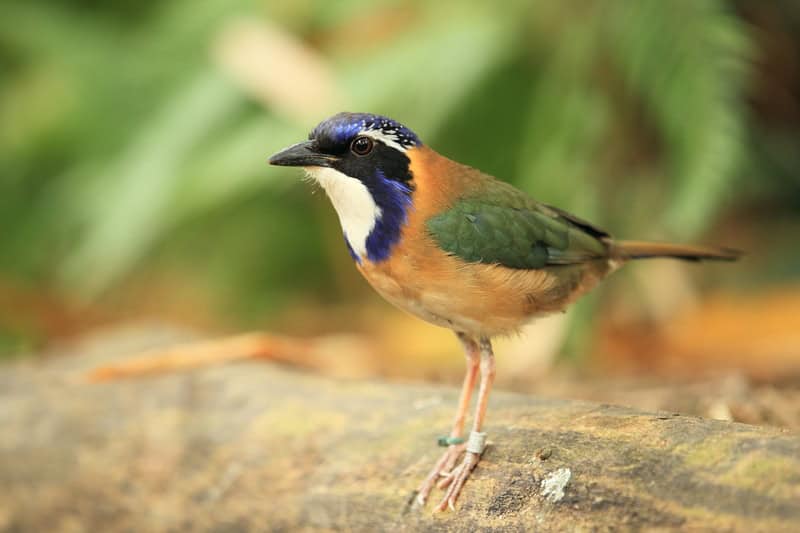
Pitta-like Ground Roller
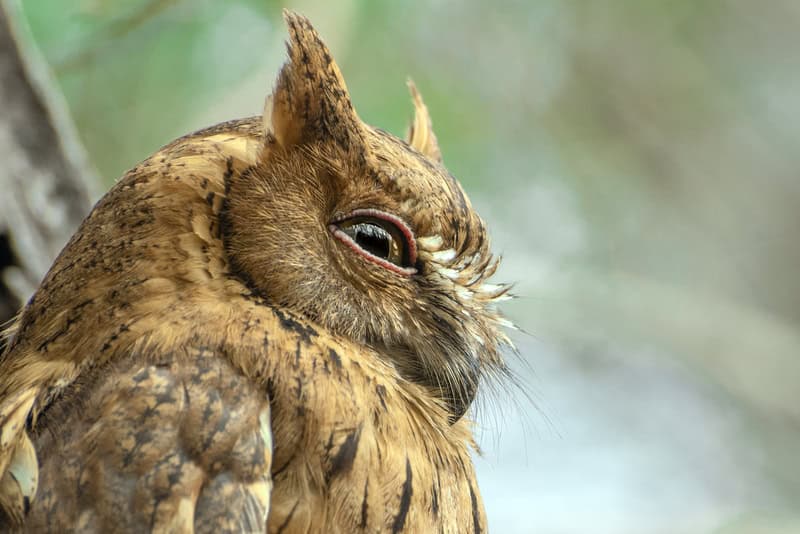
Scaly Ground-roller, Rufous-headed Ground-roller, Short-legged Ground-roller, Cuckoo-roller, Madagascar Wood Rail, Velvet Asity, Common Sunbird-Asity, Velvet Asity, Yellow-billed Sunbird-Asity, Madagascar Owl, Madagascar Scops Owl
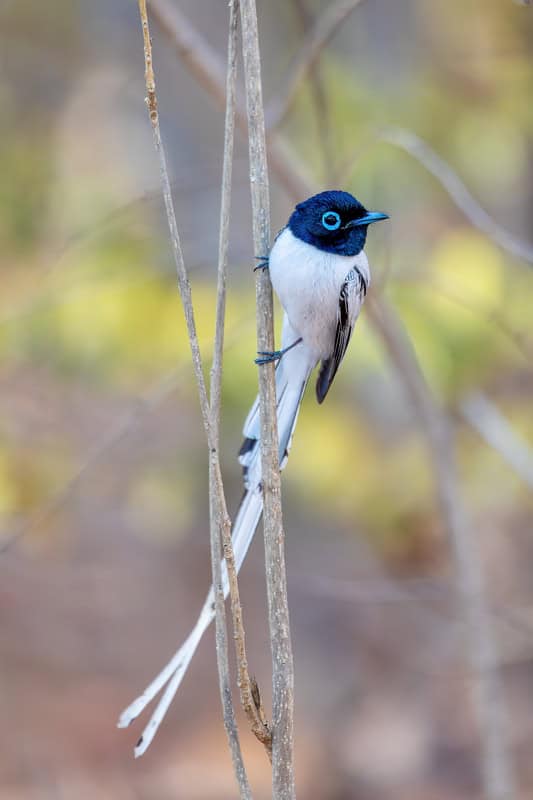
Collared Nightjar, Madagascar Blue Pigeon, Malagasy Bulbul, Common Newtonia, Souimanga Sunbird, Madagascar Wagtail, Madagascar White-eye, Malagasy Paradise Flycatcher
, Common Jery, Madagascar Ibis, Red-breasted Coua, White-throated Oxylabes, Madagascar Grebe, Malagasy Kingfisher, Grey Emutail, Slender-billed Flufftail, and so many others. Where else in the world can you find 70 endemic species in one park?
On the short walk from the village to the park, you will see several wonderful species that make the trip worthwhile, and you will be just getting started.
Photo Credits
Pitta-like Ground-roller – Lukas Blazek
Blue Vanga – Agami Photo Agency
Malagasy Paradise Flycatcher – Blue Artusfoto
Madagascar Scops Owl – Mirecca
(M) Write a review
You must be logged in to submit a review.
The Spiny Forest
Where is it and What is it?
The Spiny Forest is located in southern Madagascar. It is called the Spiny Forest because many of the plants there have huge spines. It is a surreal place unlike anywhere else on earth. Ninety-five per cent of the plants exist nowhere else. With so many strange plants, birds, and other wildlife, it makes for an experience unlike any other. It is not only unique but dramatically different from anywhere else on the planet. The climate is hot and dry.
The best hotspots within the Spiny Forest are Andohahela National Park, Tsimanampetsotsa National Park, and the village of
Ifaty:
Key Species to look for
Long-tailed Ground-roller, Subdesert Mesite, Crested, Red-capped, Giant, Running and Verreaux’s Couas, Sickle-billed, Lafresnaye’s, Chabert’s, and Red-tailed Vangas.
Baobab Trees
Besides all the spiny plants, there are also the amazing Baobab trees, found only in southern Africa and a few places in northern Australia. These huge, wide trees store water in their trunks and can live more than 2,000 years.
The Subdesert Mesite
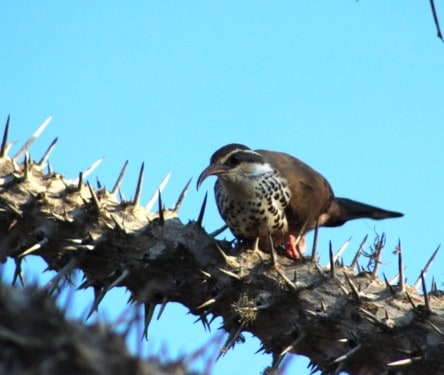
The Subdesert Mesite. Note the spines.
This species is endemic to a small area in southwestern Madagascar. It is unique in both appearance and distribution. It has the body of a thrush, a striped head, like a Stripe-headed Sparrow, and a long, downward-curved bill. They have small wings and a long tail. It does not fly well. It bobs its head like a chicken when it walks. Mesites are difficult to find. You should hire a guide.
The Couas
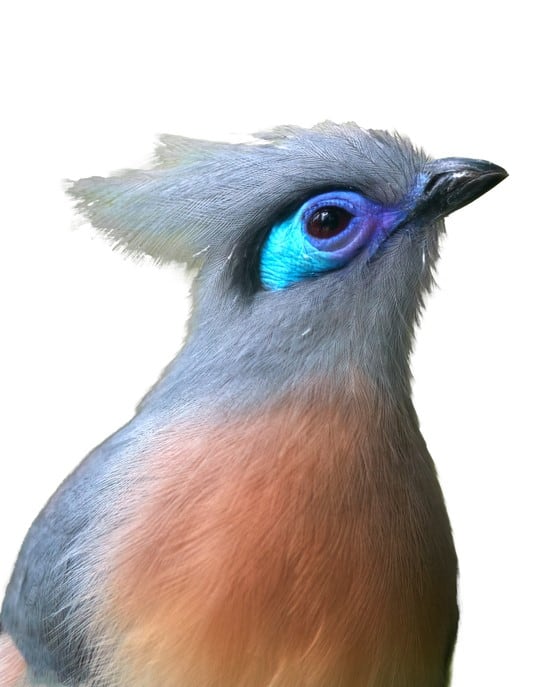
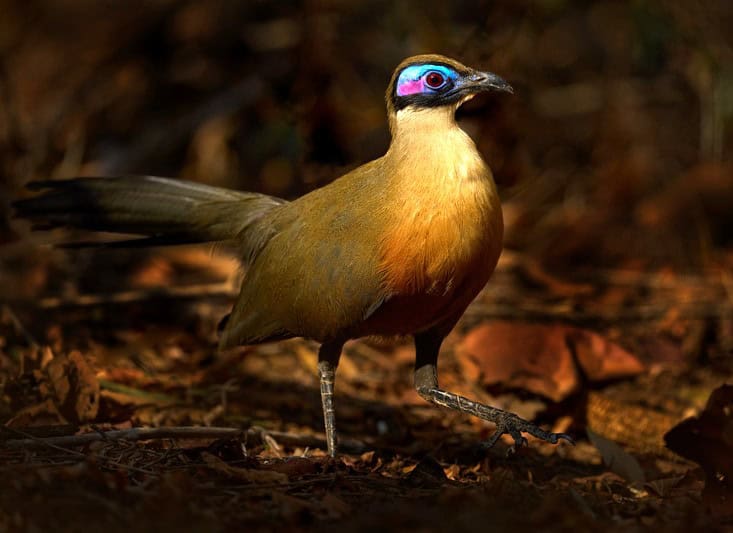
Crested Coua and Giant Coua
There are ten species of Couas, all of which are endemic to Madagascar. They are mostly terrestrial and are members of the cuckoo family, but they do not look like cuckoos. They are brightly coloured with a patch of bare skin around the eyes.
The Vangas
Vangas come in a wide variety of shapes and colours. The Madagascar Blue Vanga is a pretty bird with a blue back and head and a white front. The Helmet Vanga has a huge, bright blue bill, like a miniature Toucan. Some small ones are similar to sparrows.
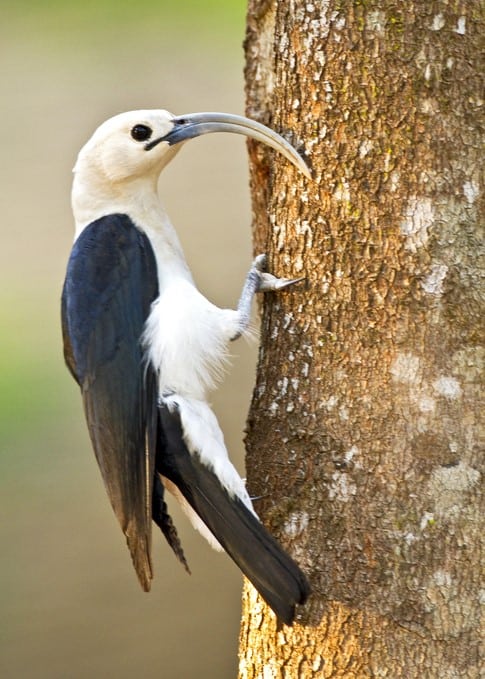
The Sickle-billed Vanga is the largest of the family, measuring 32 cm (13 in). It has a thin, but very long, downward-curved bill. They are endemic to Madagascar, and you definitely would not want to miss this one.
Guides
Mesites and the Long-tailed Ground-rollers are difficult to find. Guides are available in the town of Ifaty. Ask for them at a hotel.
Photo Credits
Subdesert Mesite by Carmen Green
Giant Coua by Ondre Prosickly
Crested Couia by Martin Mecnarowski
Sickle-billed Coua courtesy of Agami Photo Agency
(M) Write a review
You must be logged in to submit a review.